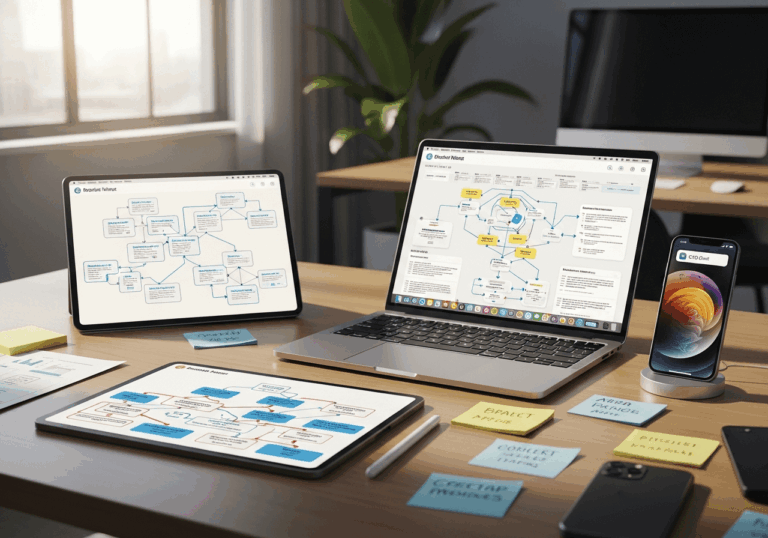
In today’s fast-paced business environment, efficiency is vital. Workflow automation is no longer a luxury but a necessity for organizations of all sizes looking to streamline operations, reduce errors, and boost productivity. By automating repetitive tasks and integrating intelligent tools, businesses can free up valuable time and resources, allowing employees to focus on more strategic and creative endeavors.
This article delves into workflow automation, exploring its benefits, essential tools, and how AI can improve processes.
Understanding Workflow Automation
Workflow automation involves using software and technology to automate repetitive, rule-based tasks within a business process. This can range from simple tasks like sending email notifications to more complex processes like data entry, invoice processing, and employee onboarding.
The Benefits are Clear:
- Increased Efficiency and Productivity: Automation eliminates manual effort, allowing tasks to be completed faster and more accurately.
- Reduced Errors: Automating processes minimizes the risk of human error, ensuring consistency and improving data quality.
- Improved Collaboration: Automated workflows provide transparency and accountability, facilitating better communication and collaboration among team members.
- Cost Savings: Businesses can significantly reduce operational costs by streamlining processes and reducing manual labor.
- Enhanced Customer Experience: Faster response times, personalized communication, and fewer errors lead to happier and more satisfied customers.
Tools of the Trade:
A wide range of tools is available to automate workflows, each catering to different needs and budgets; here is how we run things at KAL:
- Airtable: This powerful platform combines the functionality of a spreadsheet with the power of a database, making it ideal for managing projects, tracking inventory, and organizing information. Its automation features allow you to automatically trigger actions based on specific events, such as sending notifications or updating records.
- Make (formerly Integromat): Known for its visual, drag-and-drop interface and powerful features, Make allows for complex automation scenarios with advanced routing, data manipulation, and error handling. It’s an excellent option for those comfortable with more technical setups and who need to connect a wide range of apps and services.
- Slack: As a hub for team communication, Slack integrates seamlessly with various automation tools. Connecting Slack with other platforms allows you to automate notifications, receive updates from other apps directly in Slack channels, and even trigger actions in external tools based on Slack messages or events.
AI: The Future of Workflow Automation
Artificial intelligence rapidly transforms workflow automation, enabling businesses to automate even more complex tasks and make smarter decisions. Here’s how AI is making its mark:
- Intelligent Automation: AI algorithms can analyze data, learn patterns, and make decisions based on predefined rules, enabling them to handle more complex tasks that previously required human intervention.
- Predictive Analytics: AI can analyze historical data to identify trends and predict future outcomes, allowing businesses to anticipate bottlenecks, optimize resource allocation, and make proactive decisions.
- Natural Language Processing (NLP) enables computers to understand and process human language, automating tasks involving text, such as email routing, customer support, and content creation.
Methods to Increase Workflow with Automation and AI:
- Identify Repetitive Tasks: Start by identifying the most time-consuming and repetitive tasks in your workflow that can be automated.
- Choose the Right Tools: Consider factors like ease of use, integration capabilities, and AI features to select the automation tools that best suit your needs and budget.
- Start Small and Scale Gradually: Begin by automating a few simple tasks and gradually expand your automation efforts as you gain experience and confidence.
- Embrace Data-Driven Decision Making: Leverage AI-powered analytics to gain insights into your workflows, identify areas for improvement, and make data-driven decisions.
- Invest in Training and Development: Equip your team with the skills and knowledge to effectively implement and manage automated workflows.
Conclusion
AI-powered workflow automation revolutionizes businesses’ operations, driving efficiency, accuracy, and cost savings. By embracing these technologies and adopting a strategic approach, organizations can unlock new productivity levels, freeing time and resources to focus on innovation, growth, and delivering exceptional customer experiences.
For organizations looking to utilize workflow automation in their digital transformation initiatives, partnering with experienced professionals can be a game-changer. KAL Solutions offers comprehensive software development outsourcing services to help you select, implement, and optimize the right iPaaS solution for your business needs. From integration strategy development to custom connector creation and ongoing management, their experts can guide you through every step of your iPaaS journey.