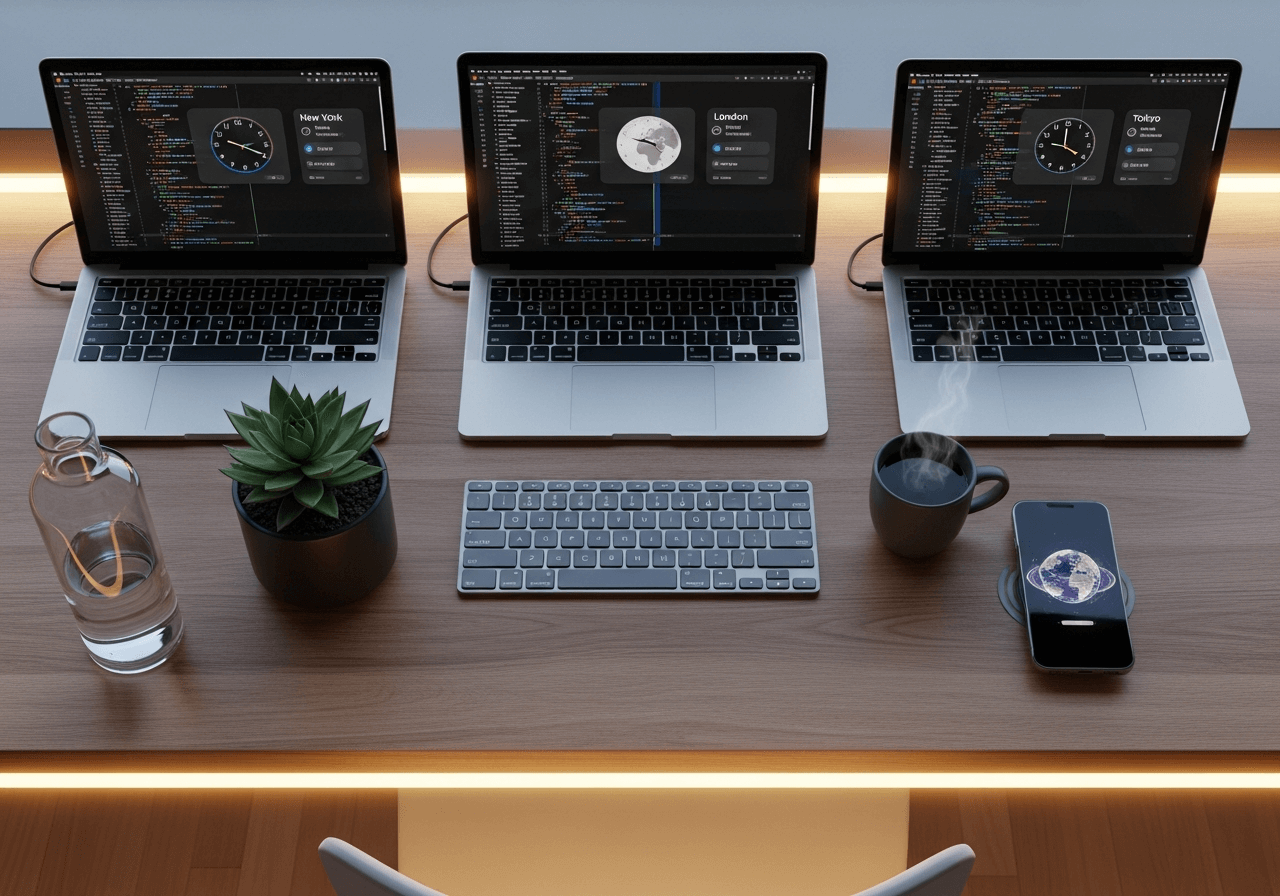
In an increasingly globalized world, remote engineering teams have become indispensable assets to tech-driven organizations. However, one of the critical challenges they face is maintaining alignment across multiple time zones. This challenge often involves synchronizing workflows, ensuring clear communication, and maximizing productivity despite geographical and temporal barriers. Across regions from Israel to Asia, companies like KAL Solutions Group have pioneered effective strategies to overcome these hurdles, utilizing their vast networks to deliver seamless interactions and successful project outcomes.
Strategies for Seamless Communication
Implementing Smart Communication Tools
Effective communication is the cornerstone of every successful remote team. When engineering units are spread across different time zones, it becomes vital to leverage smart communication tools to keep channels open and active. Organizations should prioritize platforms that facilitate real-time messaging, video conferencing, and project management. Tools like Slack, Zoom, and Asana are widely recognized for their ability to connect team members instantaneously, ensuring that all stakeholders are on the same page.
Laying Down Clear Communication Protocols
While tools provide the means to communicate, having clear protocols ensures that communication is consistent and efficient. Teams need established guidelines for how and when to communicate. Setting regular check-in times and defining responsibilities can help mitigate miscommunications. With clear protocols, team members understand expectations, which fosters a collaborative environment even when members are thousands of miles apart.
Time Zone Challenges and Opportunities
Synchronizing Work Hours
As most CTOs and VPs would attest, synchronization is not merely an operational requirement; it is an opportunity to leverage time differences. By staggering work hours, remote engineering units can create a virtual assembly line that operates around the clock. This continuous flow maximizes productivity as responsibilities are efficiently handed over from one team to the next as they sign on or off.
Embracing the Follow-The-Sun Model
The Follow-The-Sun (FTS) model is particularly advantageous for engineering units, offering a dynamic approach to project management and customer service. Adopting FTS enables teams to provide faster issue resolution and reduced turnaround times. With engineers operating in multiple time zones, businesses can handle incoming requests beyond regular office hours, achieving a level of responsiveness that is praised in customer-centric industries.
Dedicated Offshore Development Teams as a Conduit for Alignment
Incorporating Dedicated Offshore Development Teams into a company’s strategy is a proven method to enhance alignment across time zones. These teams provide not only technological expertise but also bridge the geographic gap, acting as a cohesive unit that aligns corporate objectives with local execution.
Fostering a Unified Company Culture
One common tip for improving remote team cohesion is fostering a unified company culture. This involves promoting core values that resonate with every team member, regardless of their location. Hosting regular virtual team-building activities encourages interaction and camaraderie, creating a sense of belonging. A strong company culture can effectively transcend physical boundaries, ensuring that every engineer, whether in Eastern Europe or Asia, feels equally valued and invested in the organization’s success.
Providing Continuous Learning Opportunities
Investing in continuous education and training keeps teams aligned with organizational goals and industry trends. It is essential to offer courses that are accessible within various time zones, allowing team members to enhance their skill sets at their convenience. By providing access to resources and development programs, companies cultivate knowledgeable teams that are adaptive and prepared to tackle emerging challenges.
FAQ
What are the primary communication tools suggested for remote teams?
The primary communication tools suggested are Slack for real-time messaging, Zoom for video conferencing, and Asana for project management.
How does the Follow-The-Sun model benefit remote engineering teams?
The Follow-The-Sun model benefits remote engineering teams by offering faster issue resolution and reduced turnaround times due to continuous operations across multiple time zones.
What role do Dedicated Offshore Development Teams play in aligning remote teams?
Dedicated Offshore Development Teams bridge the geographic gap by acting as cohesive units that align corporate objectives with local execution, thereby enhancing alignment across time zones.
How can companies foster a unified company culture in remote teams?
Companies can foster a unified company culture by promoting core values, hosting virtual team-building activities, and ensuring that all team members feel valued and invested in the organization’s success.
Why is continuous learning important for remote engineering teams?
Continuous learning is crucial as it keeps teams aligned with organizational goals and industry trends, empowering them to tackle emerging challenges effectively.
In conclusion, maintaining alignment across geographically dispersed engineering teams requires a strategic blend of technology, communication, and culture. Companies like KAL Solutions Group exemplify how organizations can harness diverse global talent without compromising synchronization or cohesion. By utilizing smart communication tools, synchronous operations, dedicated offshore units, and fostering organizational unity, tech-driven businesses can not only overcome the barriers posed by time zones but can also turn them into strategic advantages. Remote teams, when optimized correctly, enable around-the-clock operations, fostering innovation and growth on a global scale.
Ultimately, remote engineering units embody the potential of a truly connected world. Their ability to navigate and harness time zone differences stands as a testament to human adaptability and technological innovation. With the right approach, businesses can not only align their engineering efforts but elevate them to unprecedented heights, ensuring they remain competitive in an ever-evolving digital landscape.